
Hard Water Shower Tile Stains: What San Antonio Homeowners Can Do About It
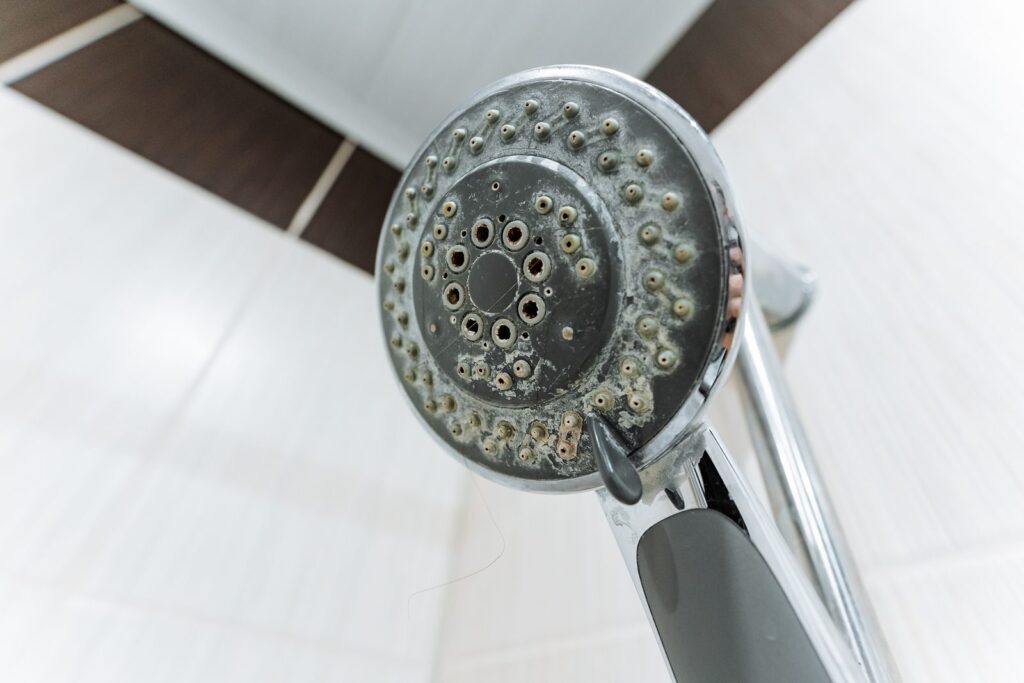
Hard water shower tile stains are one of the most common maintenance issues for homeowners in San Antonio and across the Hill Country. The region’s exceptionally hard water leaves behind calcium- and magnesium-rich mineral deposits every time water evaporates, gradually creating white haze, chalky buildup, cloudy glass, stained grout, and stubborn limescale tile deposits that become increasingly difficult to remove.
While recent mineral buildup can often be cleaned with the proper products and techniques, long-term hard water shower tile stains frequently bond to grout and tile surfaces, making routine cleaning far less effective. In many cases, restoring the original appearance of the shower requires professional shower tile restoration in San Antonio to safely remove accumulated scale, repair damaged grout, and protect surfaces against future buildup.
At Grout Works of San Antonio and Austin, we’ve specialized in grout and tile restoration since 1994. Throughout San Antonio, Austin, and the surrounding Hill Country, hard water damage is one of the most common problems we address. The guide below explains why Hill Country hard water causes persistent staining, when DIY cleaning is effective, and when professional restoration is the more practical long-term solution.
Why Hill Country Hard Water Is So Rough on Shower Tile
Water hardness is measured by the amount of dissolved calcium and magnesium carried by the water. According to the U.S. Geological Survey, anything over 180 milligrams per liter of calcium carbonate counts as “very hard.” The San Antonio Water System reports that local supply typically runs 15 to 20 grains per gallon, which works out to roughly 250 to 340 milligrams per liter. That’s not just over the very hard threshold. It’s nearly double it.
The reason is geology. Most of our water comes from the Edwards and Trinity aquifers, where rainfall filters through hundreds of feet of Hill Country limestone and picks up dissolved minerals along the way. That’s great news for drinking water taste and safety. It’s hard news for your bathroom. Every shower leaves a thin film of minerals behind as droplets dry, and in a household taking daily showers, those films stack into visible hard water shower tile stains within weeks.
Homeowners from Stone Oak and Alamo Heights up through Bulverde, Spring Branch, and New Braunfels all deal with the same thing: hard water shower tile stains, and well water in the hills is often harder still. Hill Country hard water doesn’t care how new your bathroom is. We’ve restored showers in five-year-old homes that looked twenty years old.
What Hard Water Shower Tile Stains Are and Why They Keep Coming Back
That chalky white or gray film is limescale, and on its own it’s stubborn but removable. The bigger problem is what it teams up with. Soap contains fatty acids that react with calcium in the water to form soap scum, a sticky curd that binds to tile and traps more minerals with every shower. Layer by layer, you get a hardened crust that shrugs off ordinary bathroom cleaners.
Grout makes it worse. Cement-based grout is porous, so mineral-loaded water soaks in rather than just sitting on top. As it dries into the grout, the deposits build below the surface where no amount of surface scrubbing can reach them. That’s why grout lines often remain discolored even after the tile faces come clean. Limescale on tile is a surface problem. Limescale in grout is a deeper issue with different requirements for a fix.
DIY Removal: What Works, What Doesn’t, and What Can Ruin Your Tile
For fresh limescale on ceramic or porcelain tile, you can make real progress at home. A 50/50 mix of white vinegar and warm water, sprayed on, left for ten to fifteen minutes, then scrubbed with a non-abrasive pad, dissolves fresh mineral film. Repeat weekly to stay ahead of hard water shower tile stains.
A few cautions matter more than any recipe:
- Never use vinegar or acidic cleaners on natural stone. Travertine, marble, and limestone are calcium-based, the same mineral as the scale itself. Acid dissolves the stone right along with the deposits and leaves permanent dull etch marks. Stone showers need pH-neutral cleaners and, when scale has set in, professional stone care.
- Go easy on grout. Repeated acid exposure eats away at cement grout, shortening its lifespan. Harsh scrubbing alongside acidic damage wears away the surface, opening more pores for the next round of minerals.
- Bleach won’t help. Bleach lightens organic stains like mildew, but it doesn’t dissolve minerals. If you’ve bleached your shower and the haze remains, that’s your confirmation the problem is scale.
The honest limit of DIY is age. Once deposits have layered for months or years, or the tile beneath them has been etched, home products stop working, and stronger store-bought acids create more damage than they remove.
When Hard Water Shower Tile Stains Call for Professional Restoration
If the grout stays dark after cleaning, the tile feels rough or looks permanently cloudy, or caulk lines are stained and pulling away, you’re past the cleaning stage. That’s when shower tile restoration in San Antonio homes moves from a nice-to-have to the smart fix, both for the finish and for what’s underneath. Scale and worn grout let moisture creep behind the tile, and that’s how small cosmetic issues turn into mold problems and leak repairs.
A full hard water shower tile stain restoration at Grout Works typically includes:
- Deep cleaning with commercial-grade agents and equipment that dissolve scale and soap scum without gouging tile or grout.
- Grout repair for any cracked or crumbling lines, sealing off the paths water uses to get behind your tile.
- Color sealing with our custom-tinted pure acrylic grout sealer, which restores a uniform color and creates a barrier that mineral-heavy water can’t penetrate.
- Recaulking corners and joints with fresh caulk and silicone where the old material has stained or failed.
The color-sealing step is what changes the long game. Sealed grout stops absorbing water, which means future buildup stays on the surface where a quick wipe removes it. Most homeowners tell us maintenance gets dramatically easier afterward. You can see finished showers from around the area in our work gallery.
Keeping Limescale Off Your Tile After Restoration
Prevention with Hill Country hard water is about interrupting evaporation, because water that never dries on the tile never leaves minerals behind. A squeegee kept in the shower and used for sixty seconds after you bathe removes most of the water before it can dry. Running the exhaust fan for twenty minutes afterward and wiping glass and fixtures with a towel a couple of times a week handles the rest.
Beyond daily habits, keep grout sealed and have it professionally refreshed when water stops beading off. Some households also add a whole-home water softener, which swaps calcium and magnesium for sodium before the water reaches your fixtures. A softener is a bigger investment, but paired with sealed, restored tile, it comes close to eliminating hard water shower tile stains. Even without one, a restored and sealed shower plus a squeegee habit keeps most San Antonio bathrooms looking new.
Frequently Asked Questions
Given enough time, they damage it. Scale bonds hard enough that removing old deposits can pull glaze with them; minerals degrade grout and caulk, and compromised grout lets moisture behind the walls. Early limescale on tile is cosmetic. Neglected buildup becomes a mold risk.
No. A softener prevents new deposits but does nothing for existing scale, deep grout discoloration, or etching. Restore the shower, and the softener helps keep it that way.
Most showers are finished in a day, and our custom color-sealing process lets us complete projects in about half the time many refinishing approaches require. You’ll get a specific timeline with your estimate.
Ready to Stop Fighting Your Water?
You can’t change what the aquifer puts in your water, but you don’t have to live with what it’s doing to your bathroom. Grout Works of San Antonio and Austin is based in Spring Branch and has spent more than 30 years on hard water shower tile stain restoration in San Antonio, Austin, and the Hill Country towns between, bringing back showers that hard water has claimed and sealing them so it can’t happen again. Whether you need a deep shower restoration or just straight answers about what your tile needs, we’re glad to help. Contact us for a free estimate, and ask about our military, veteran, and first responder discounts.
Contact Us

Jason McInnis
Jason McInnis is one of the owners of Grout Works of San Antonio and Austin, a tile and grout restoration company based in Spring Branch, Texas. Grout Works has been restoring grout since 1994, and Jason’s division handles grout cleaning, repair, and color sealing, shower restoration, stone care, tile work, and caulk replacement for homeowners across both metro areas. The company uses proprietary color-sealing products with reliable color matching, so tired tile floors and showers can look new again without the cost of replacement. Jason is often the first person customers talk to, handling estimates, scheduling, and project oversight, and reviewers consistently mention his quick responses, fair pricing, and clean, careful workmanship. Grout Works also offers discounts for military members, veterans, and first responders throughout its Texas Hill Country service area.